20 Resources That Will Make You Better At Bean Coffee Machine


Coffee Bean Coffee Machines
With a coffee bean maker, you can enjoy delicious, fresh whole-bean espresso that is prepared according to your requirements. The machine grinds beans, measures them, tamps and forces hot water through the grounds to produce delicious, flavorful coffee.
These machines have many advantages such as ease of use and a reduction in environmental waste in comparison to pod machines. The machine is fully automated and can be operated with a simple touch of the button.
Here are a few alternatives to the word "grind"
If you are making your own coffee, the type of grind you choose is essential to make the best cup of coffee. The size shape, shape, and consistency are all crucial. If you grind beans improperly the water will flow through the beans too quickly. This could result in a bitter taste or a lack of flavor.
More suggestions should include a variety of sizes of grind so that you can choose the best method to brew your drink. It's important to experiment with different sizes of grinds, since they can significantly alter the flavor of your brew. The smallest size is ideal for espresso and French presses, whereas larger, coarser ones are ideal for brewing with an immersion, such as with the Moka pot or Chemex.
Try roasting your beans and then grinding them just before brewing to make a delicious cup of coffee. This will maximize the aroma and flavor of your brew, and help create an excellent cup every time. To keep the freshness and taste of the beans, store them in a sealed airtight container in a cool, dark place.
Commercial coffee bean to cup machines offer unparalleled convenience that lets you enjoy barista-quality espresso at the touch of the button. These machines do everything, from preparing the coffee beans to the tamping process. They are a great choice for busy offices and cafes.
They start by grinding the desired beans to a specific grind size. They can be set to match your preferred brewing method and are able to be programmed to dispense the desired number of cups in one go. Some will automatically tamp the grounds in order to form an extremely compacted puck of coffee, which ensures the most consistent extraction.
A bean-to cup machine typically comes with a large hopper can be filled with whole beans. The machine will automatically grind the beans and dispensing the right amount of the brew you choose. The display on these machines will show the beans used and the grind size selected. It will also show the total number drinks that the machine is preparing.
Extraction
When the coffee bean is ground it breaks up into smaller pieces known as particles. The size of the particles could affect the extraction process and the final cup's flavor. In the machine that brews coffee the particle size is controlled to ensure it matches the extraction type required by the machine. This lets you enjoy excellent coffee every time and doesn't require the skill of a barista.
The brew time in a bean to cup machine can be controlled to get exactly the strength you want to drink. This can be a significant advantage over pod machines, which typically give you less control and can result in weaker or bitter tasting coffee. In addition to regulating the brew time, bean-to cup machines typically allow you to control the temperature of your water so that you can determine the strength of your coffee. be.
Extraction is an intricate process that depends on the correct proportion of particle size, dose and pressure. If any of these elements are not in order, it could result in a poorly extracted coffee. Under-extracted coffee will taste sharp and sour and coffee that is over-extracted will taste dry and bitter.
To ensure that the coffee is extracted correctly, you need to use a high-quality grinder and the appropriate type of beans. Light roasts are often not a good choice for espresso or fully automatic machines because the short extraction time can cause the coffee to be lacking in body and flavor. Darker roasts with high Robusta content, like our Jhai (100% Robusta) or Tiga Terra are the best for these kinds of machines as they offer fuller flavors and more robust bodies.
The choice between a pod-based coffee maker and a bean-to cup machine is ultimately based on the convenience factor and personal preference. Pod coffee machines are great to make tea and coffee. However they aren't as cost-effective and generate waste when disposed of used pods.
Dispensing
When you use whole beans, you will save money and have more flexibility. This also means you'll have to perform more maintenance and cleaning on your machine than with a pod-based machine.
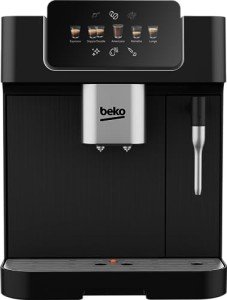
Fortunately they've been made with low maintenance in mind and many include features to make this task easier. For instance, the majority of bean-to-cup coffee makers have automatic cleaning cycles and rinsing making it easy to keep your machine clean and not disrupt your day-to-day operations.
Another useful feature is the ability to add hot, steaming milk to coffee beverages. This allows your team to customize their drinks according to their tastes and preferences while increasing productivity. It is also a great way to show you care about your team's health. It has been scientifically proven, that coffee can increase the production of dopamine as well as norepinephrine. This improves concentration and motivation at work.
Certain models provide even more options for customization of beverages, such as texturizing the milk in cappuccinos or lattes. This is a major selling point for baristas, who may have only the time to make each cup of coffee.
The size of the water tank and the bean hopper size are crucial aspects to look out for when selecting a top-quality bean-to cup coffee maker. The water tank determines the amount of time the machine will run before it must be refilled and the size of the hopper determines the frequency at which you'll have to replenish the beans. The larger the capacity, the less often you'll need to replenish.
You should carefully consider what type of beans you will be using prior to purchasing a bean to cup coffee maker. Different grind sizes can affect the taste and consistency of each cup. In addition, you must examine the machine's programmable settings that let users alter the flavor of their coffee to create their ideal beverage every time.
In certain instances, the dispensing spouts of your coffee bean machine may get blocked by ground coffee residue and other debris that is left after grinding. The spouts must be cleaned regularly to avoid slow and inconsistent flow, which could result in insufficient dosing of coffee grounds. This could be caused by too coarse a grinding setting or excessively oily or dry beans, or the absence of regular cleaning and cleaning.
Cleaning
Cleaning coffee machines is an important element of running one, preventing the buildup of traces that could negatively affect the quality and taste of drinks. Regular cleaning helps to keep the machine in good condition and reduces the possibility of a failure that can cause an expensive repair bill. Many bean-to-cup coffee machines have a built-in cleaning cycle which will flush through pipes to cleanse the brewing unit. Some will include separate milk side cleaning cycle to ensure that both the spouts have been clean.
During the installation process, a reputable rental company will instruct their employees on how to maintain and clean the equipment. This will help reduce confusion and ensure that steps are properly followed. A clear and precise understanding of the process will save you from costly repairs or drinks of poor quality.
It is recommended to clean the carafe, the permanent filter, and brew basket after each use in hot soapy water or in the dishwasher if marked as safe for this. It is also a good idea to run two to three cycles of fresh water, without K cups or ground coffee in the machine between uses. This will help get rid of any oily residue and prevent the growth of bacteria, mould or yeast.
For single-serve or pod coffee machines it is a good idea to conduct a thorough clean and descale every four weeks. This is typically done with a vinegar solution. Add up to four cups of vinegar to the reservoir and then run the machine through a brewing process. When the cycle is complete wash and descale according to the manufacturer's instructions. You can run several cycles of fresh water to eliminate any vinegar smell.
Commercial machines often come with a built-in telemetry system that records the specifics of each cleaning cycle. This can be reviewed by you or your supplier to ensure that the machine is regularly cleaned. This could also alert you to any moving parts that have become seized or stuck, which will need more precise repair and maintenance work.